8 Novels of Mystery and Magic
October 9, 2026 | Your next Halloween read doesn't have to be horror!
✷
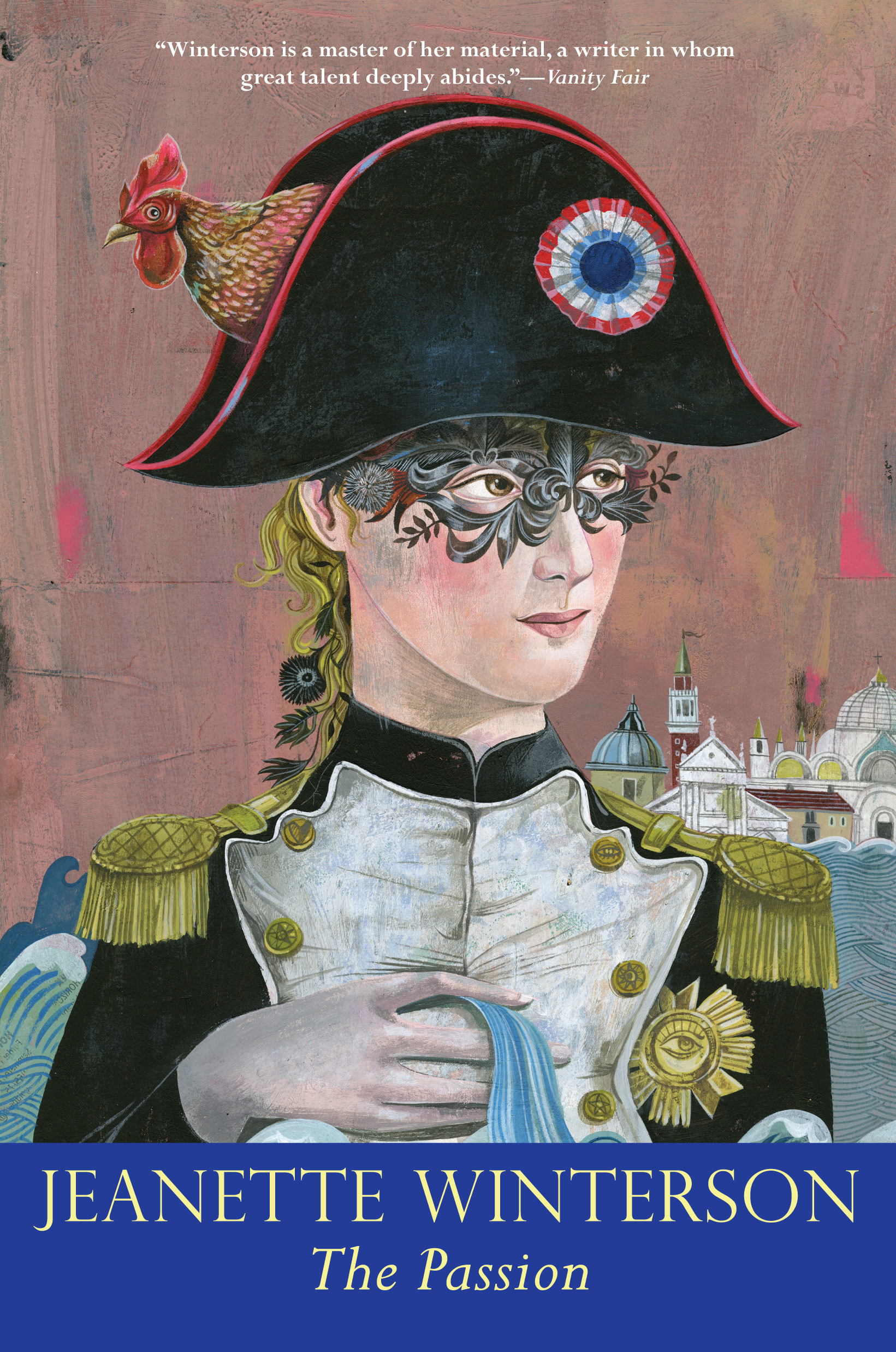
Grove Press, 2007
The Passion by Jeanette Winterson
Set during the tumultuous Napoleonic Wars, The Passion follows the intertwined fates of Henri, a sensitive young French soldier obsessed with Napoleon, and Villanelle, a red-haired, web-footed Venetian woman who can walk on water and whose heart was gambled away.
A faithful soldier of the Grande Armée, Henri is given the honor of serving meals to Napoleon himself. After all, Henri is short—and no one over five-foot-two ever serves the emperor. But when following his revered leader brings him to near-starvation in Russia’s frozen winter, Henri is disillusioned and desperate for escape. The web-footed daughter of a Venetian boatman, Villanelle has long been acquainted with the advantages of dishonesty. Trust hasn’t been her strong suit since her heart was stolen—literally—by a noblewoman she once loved. Soon these two will meet their shared destiny in the chaotic carnival that is early 19th century Venice.
“The body shuts down when it has too much to bear; goes its own way quietly inside, waiting for a better time, leaving you numb and half alive.”
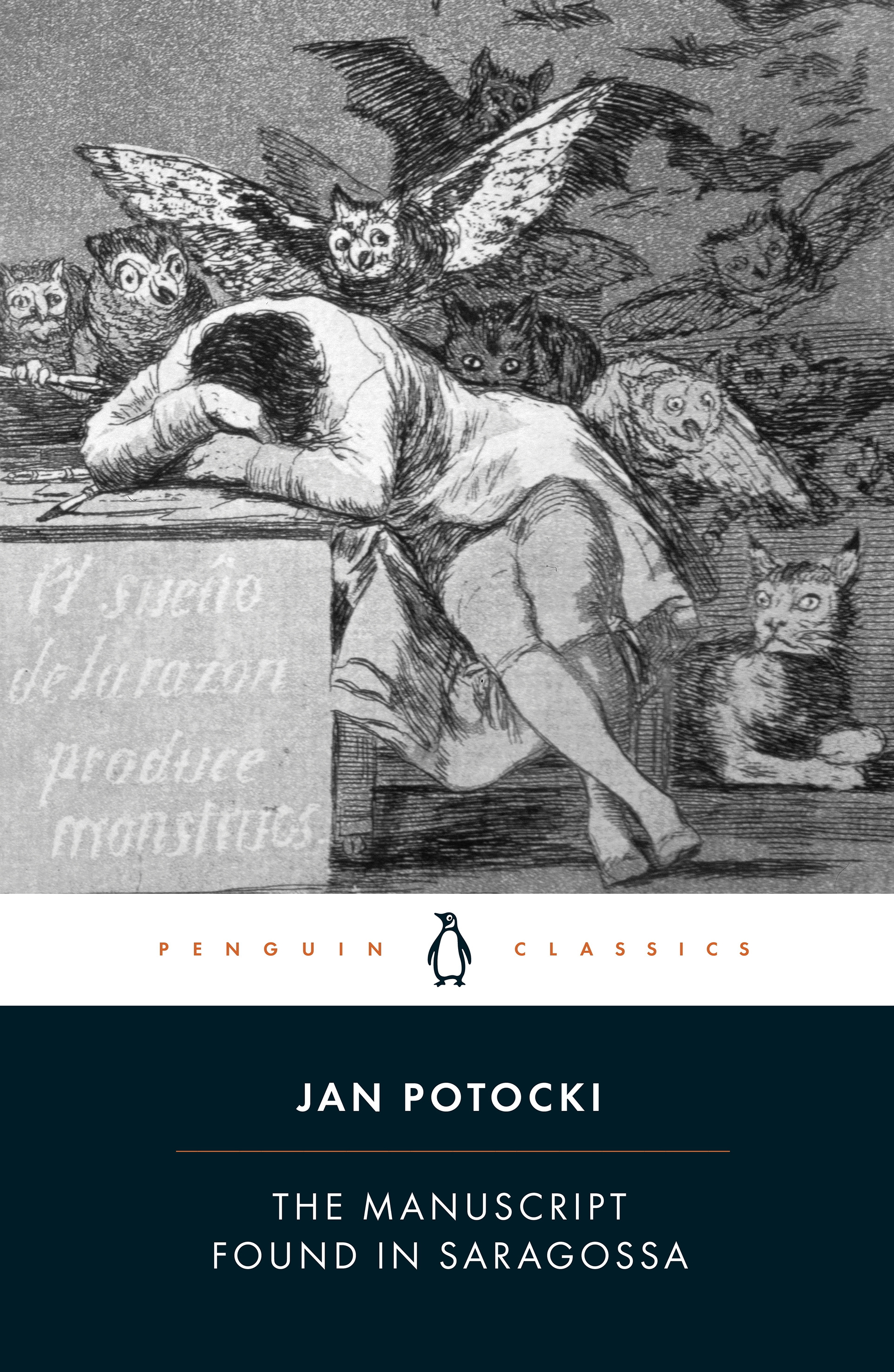
Penguin Books, 1996
The Manuscript Found in Saragossa by Jan Potocki
During the Napoleonic Wars, a military officer discovers a mysterious manuscript in Saragossa that traces the bizarre, 66-day journey of a young Walloon officer, Alphonse van Worden, as he becomes entrapped in a labyrinth of supernatural encounters, cabbalists, gypsies, and a nested web of stories-within-stories in Spain.
Alphonse, a young Walloon officer is travelling to join his regiment in Madrid in 1739. But he soon finds himself mysteriously detained at a highway inn in the strange and varied company of these thieves, brigands, cabbalists, noblemen, coquettes and gypsies. He records their stories over sixty-six days. The resulting manuscript is discovered some forty years later in a sealed casket, from which the tales of the characters, transformed through disguise, magic and illusion, of honour and cowardice, of hauntings and seductions, leap forth to create a vibrant polyphony of human voices.
“Words strike the air and the mind, they act on the senses and on the soul.”
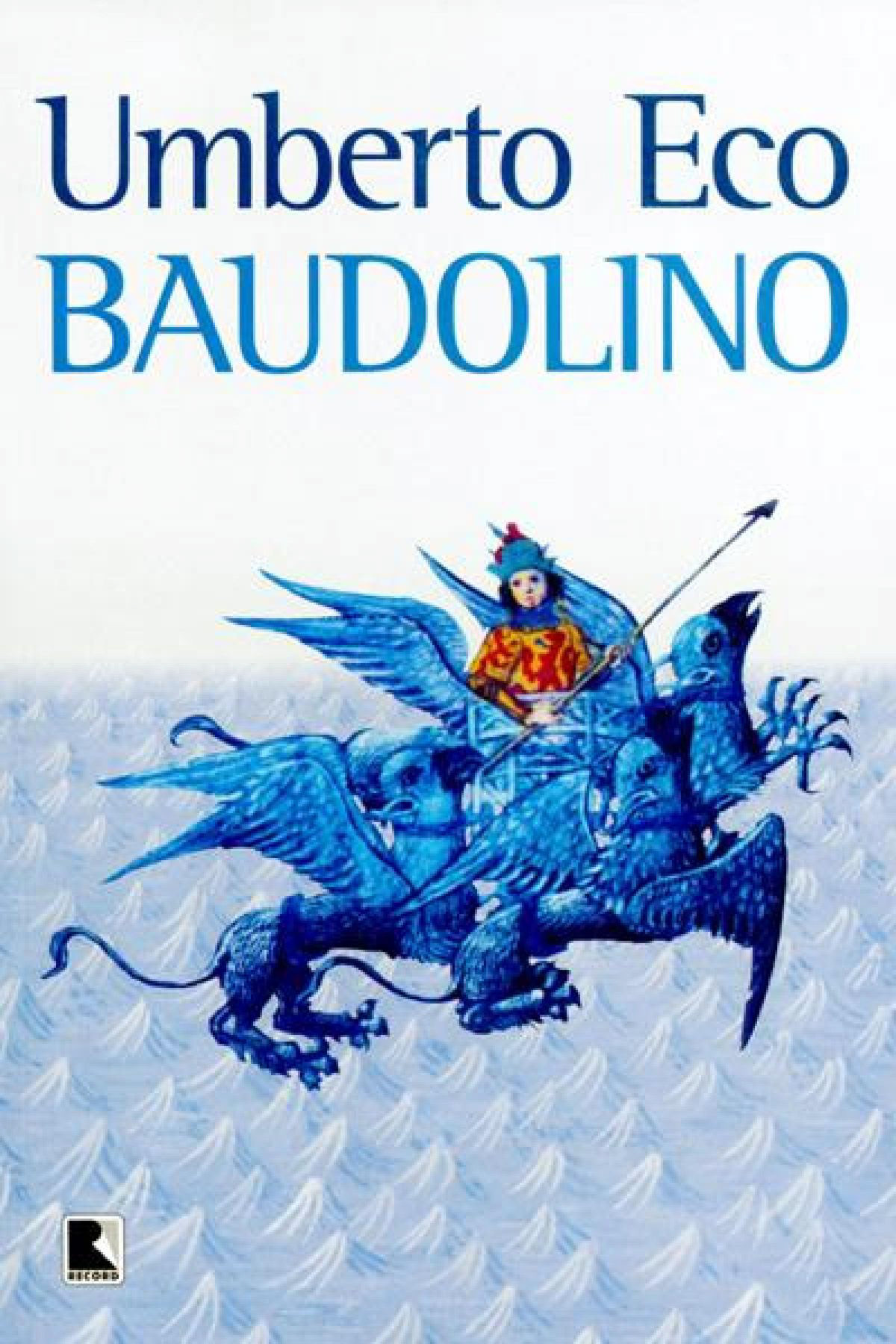
Bompiani, 2000
During the chaotic 1204 sack of Constantinople, a resourceful medieval peasant and chronic liar named Baudolino saves a Byzantine historian's life and recounts his extraordinary life story—from his adoption by Emperor Frederick Barbarossa to leading a fantastical quest across Europe and the East in search of the mythical kingdom of Prester John.
Born a simple peasant in northern Italy, Baudolino has two major a talent for learning languages and a skill in telling lies. As a boy he meets a foreign commander who adopts Baudolino and sends him to the university in Paris, where he makes a number of adventurous friends. Spurred on by myths and their own reveries, they decide to go in search of the legendary priest-king Prester John who is said to rule over a vast kingdom in the East.
“Yes, I know, it's not the truth, but in a great history little truths can be altered so that the greater truth emerges.”
Penguin Classics, 2006
The Book of Imaginary Beings is an alphabetical bestiary that catalogs 116 strange, mythical, and literary creatures born from human imagination across history.
From dragons and centaurs to Lewis Carroll's Cheshire Cat and the Morlocks of H. G. Wells's The Time Machine, a lavish feast of exotica brought vividly to life with art commissioned specifically for this volume.
“We are ignorant of the meaning of the dragon in the same way that we are ignorant of the meaning of the universe; but there is something in the dragon’s image that fits man’s imagination, and this accounts for the dragon’s appearance in different places and periods.”
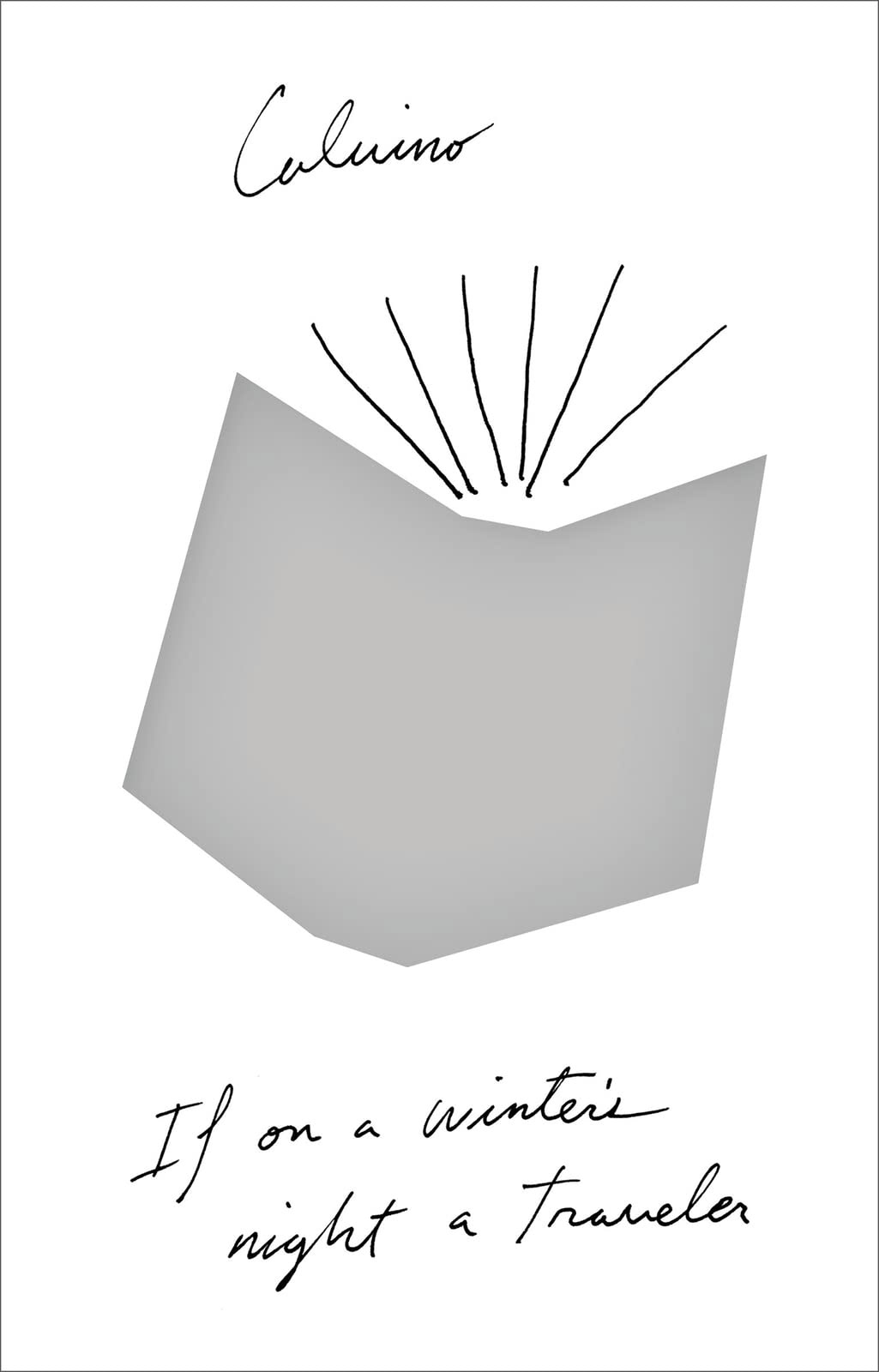
Mariner Books, 2015
When a defective copy of Italo Calvino's new novel forces an anonymous Reader to hunt for the rest of the text, he embarks on a dizzying postmodern quest through interrupted stories, literary conspiracies, and a shared obsession with a fellow reader named Ludmilla.
The Reader buys a fashionable new book, which opens with an exhortation: "Relax. Concentrate. Dispel every other thought. Let the world around you fade." Alas, after 30 or so pages, he discovers that his copy is corrupted, and consists of nothing but the first section, over and over. Returning to the bookshop, he discovers the volume, which he thought was by Calvino, is actually by the Polish writer Bazakbal. Given the choice between the two, he goes for the Pole, as does the Other Reader, Ludmilla. But this copy turns out to be by yet another writer, as does the next, and the next.
“Reading is going toward something that is about to be, and no one yet knows what it will be.”

Secker & Warburg, 1952
A young officer spends his entire life guarding a remote mountain fortress while waiting in vain for a glorious barbarian invasion that never comes.
Newly commissioned officer Giovanni Drogo has just received his first assignment at the remote Fortezza Bastiani. North of this stronghold are impassable mountains; to the south, a great desert; and somewhere out there is the enemy, whose attack is imminent. This is the enemy that Lieutenant Drogo has been sent to draw out of his lair, to defeat once and for all, returning home in triumph. And yet time passes, and where is the enemy? As the soldiers in the fortress await the foretold day of reckoning, they succumb to inertia, and though death occurs, it is not from bravery. Decades pass. A lifetime passes. Drogo, however, still has his lonely vigil to keep.
“I no longer aspire to a career. A post with no worries is all I need.”

Mariner Books Classics, 2017
The Nonexistent Knight by Italo Calvino
A witty allegorical novella about Agilulf, a gleaming white suit of armor with nothing inside it who serves in the army of Charlemagne purely through willpower, duty, and strict adherence to the code of chivalry.
When his honor and existence are challenged, Agilulf embarks on a picaresque quest across Europe and North Africa to prove the past chastity of a woman he once saved, becoming entangled with a lovesick female knight, a bumbling squire who doesn't know he exists, and a narrator who turns out to be a cloistered nun.
“If unhappy is the sweetheart who invokes kisses of which he does not know the flavour, a thousand times more unhappy is who this flavour tasted once and then was denied.”
Vintage International, 1989
A postmodern, non-linear lexicon novel by Milorad Pavić structured as a multi-faith encyclopedia that reconstructs the mysterious history, dream-hunting sect, and sudden conversion of the medieval Khazars through three conflicting religious perspectives.
Written in two versions, male and female, which are identical save for seventeen crucial lines, Dictionary is the imaginary book of knowledge of the Khazars, a people who flourished somewhere beyond Transylvania between the seventh and ninth centuries. Eschewing conventional narrative and plot, this lexicon novel combines the dictionaries of the world's three major religions with entries that leap between past and future, featuring three unruly wise men, a book printed in poison ink, suicide by mirrors, a chimerical princess, a sect of priests who can infiltrate one's dreams, romances between the living and the dead, and much more.
“A bird foraging for food in the swamps and marshes sinks rapidly if it doesn't move. It has to keep pulling its feet out of the mire to move on, regardless of whether it has caught something or not. And the same applies to us and to our love. We have to move on, we can't stay where we are, because we'll sink.”
✷──────────✷──────────✷
If you would like to submit a book review to Moonday Mag, check out our submission guidelines.


